

Lakehouse and warehouse design
A modern platform on Databricks, Snowflake or BigQuery, sized for your volumes and your budget.
We build modern lakehouses, clean pipelines and governed semantic layers. It is the unglamorous foundation that decides whether analytics are trusted and whether AI works at all, and we build it inside the cloud you already use.
The problem
Sales, finance, product and operations each hold part of the truth in different systems and spreadsheets.
Two dashboards show two different revenue figures, so meetings start with an argument about the data.
Hand-written scripts break quietly, and someone finds out when a report is wrong.
Models need clean, connected, well-documented data. Without it, every AI project starts with months of wrangling.
What we deliver
Pick one piece or the whole programme. Each is scoped to a business metric and shipped, not left as a proof of concept.
A modern platform on Databricks, Snowflake or BigQuery, sized for your volumes and your budget.
Reliable, tested pipelines from your apps, databases and SaaS tools, with scheduling and alerting.
Tests and monitoring on the data itself, so problems are caught before they reach a dashboard or a model.
One governed definition of every business metric, used by every dashboard and every model.
Real-time pipelines for fraud signals, operations and product events where batch is too slow.
Moving from legacy warehouses and scripts to a modern platform without breaking the reports people rely on.
How we deliver
Every phase ends with something you can use, not just something you can read.
Always included
Typical tools
We learn where your data lives and which numbers matter most.
A platform design that fits your cloud, your team and your budget.
Pipelines, models and the first trusted metrics, shipped weekly.
More sources and use cases, then a clean hand-off or managed operation.
Where we apply it
Further reading
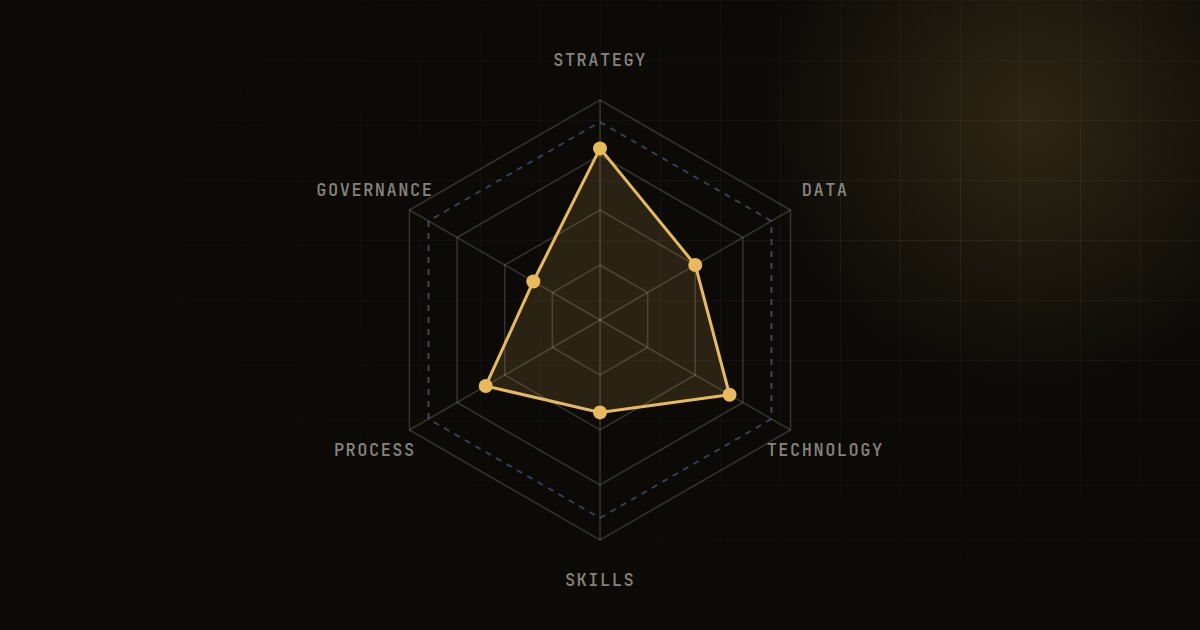
A scored AI readiness assessment checklist covering strategy, data, technology, people and governance, with a simple rubric and guidance on what to fix first.
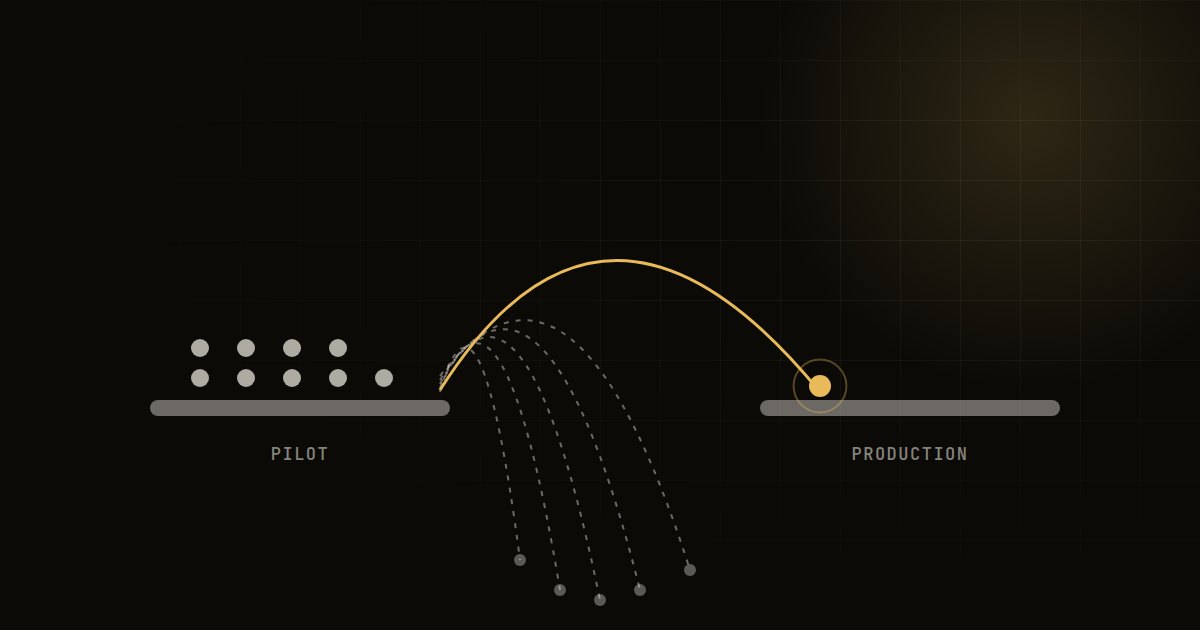
Most AI pilots stall before production for predictable reasons. Here is how to spot them early and design pilots that are built to ship.
FAQ
Other services
Copilots, retrieval systems and agents wired into your real tools and data.
Find where AI moves your numbers and sequence a roadmap people believe in.
Forecasting, pricing, churn and demand models, plus dashboards people open.
CI/CD for models, observability and cost controls that keep AI reliable.
Process redesign, change and responsible AI aligned with the DPDP Act and EU AI Act.
Cloud, DevOps, QA and release management, run 24x7 against clear SLAs.
Tell us where you are. We will come back within one business day with a point of view, not a sales deck.