

Enterprise copilots
Assistants grounded in your policies, contracts, wikis and tickets, with citations and access control that follows your existing permissions.
We build copilots, retrieval systems and agents that read your documents, use your tools and hand off to people when they should. Every system ships with evaluations, guardrails and monitoring, so it behaves like any other critical piece of software.
The problem
A chatbot that impresses in a meeting often fails on real documents, real permissions and real edge cases. Most GenAI work stops there.
Without an evaluation set, nobody can say whether the system got better or worse after a change, so every release is a guess.
People will not trust an assistant that cannot show where an answer came from, and auditors will not either.
An agent that can act on systems needs clear limits, approvals for risky steps and a full log of what it did.
What we deliver
Pick one piece or the whole programme. Each is scoped to a business metric and shipped, not left as a proof of concept.
Assistants grounded in your policies, contracts, wikis and tickets, with citations and access control that follows your existing permissions.
Pipelines that read invoices, statements, claims and forms, extract what matters and route only the true exceptions to a person.
Agents that read, classify and act on emails, tickets and records through your APIs, with humans approving the risky steps.
Test sets built from your real cases, automated scoring on every change, and checks for leakage, toxicity and off-policy actions.
We compare commercial and open-weight models on your data and fine-tune only when retrieval and prompting are not enough.
AI features inside your own SaaS or app, designed for latency, cost per request and graceful failure.
How we deliver
Every phase ends with something you can use, not just something you can read.
Always included
Typical tools
We pick the workflow where GenAI saves the most time and check the data it depends on.
Architecture, model options and the test bar are agreed before production code.
A senior squad ships weekly with your team, against the evaluation set.
We harden the system, roll it out and keep it improving.
Where we apply it
Further reading
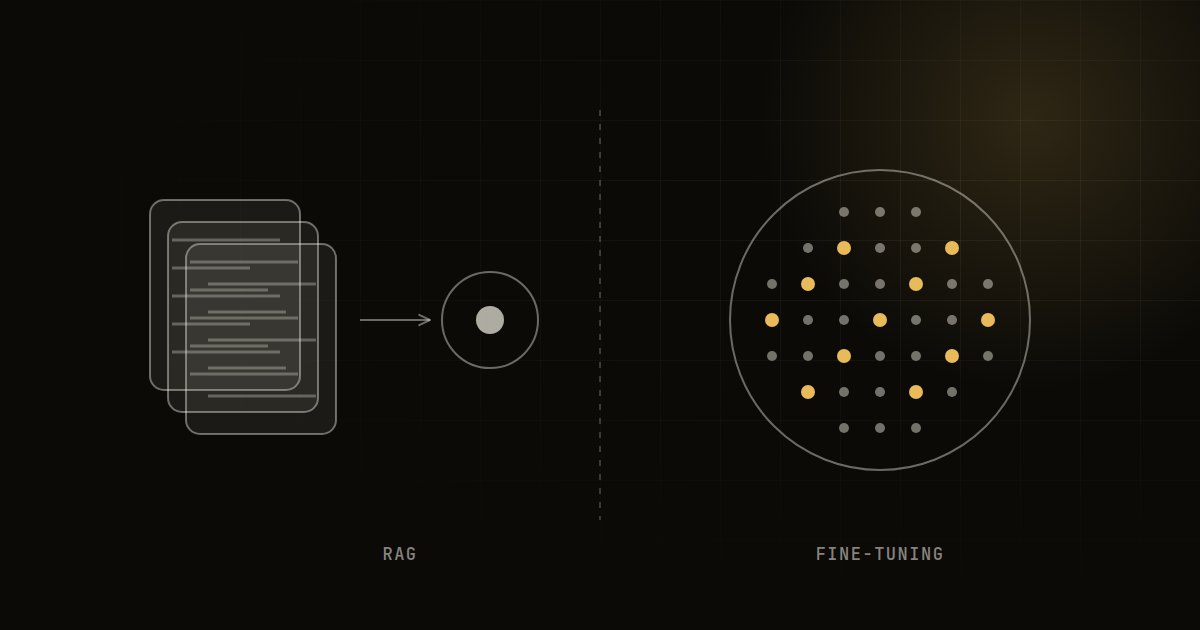
RAG gives a model the right knowledge; fine-tuning changes how it behaves. A clear comparison and decision guide for choosing between them, or using both.
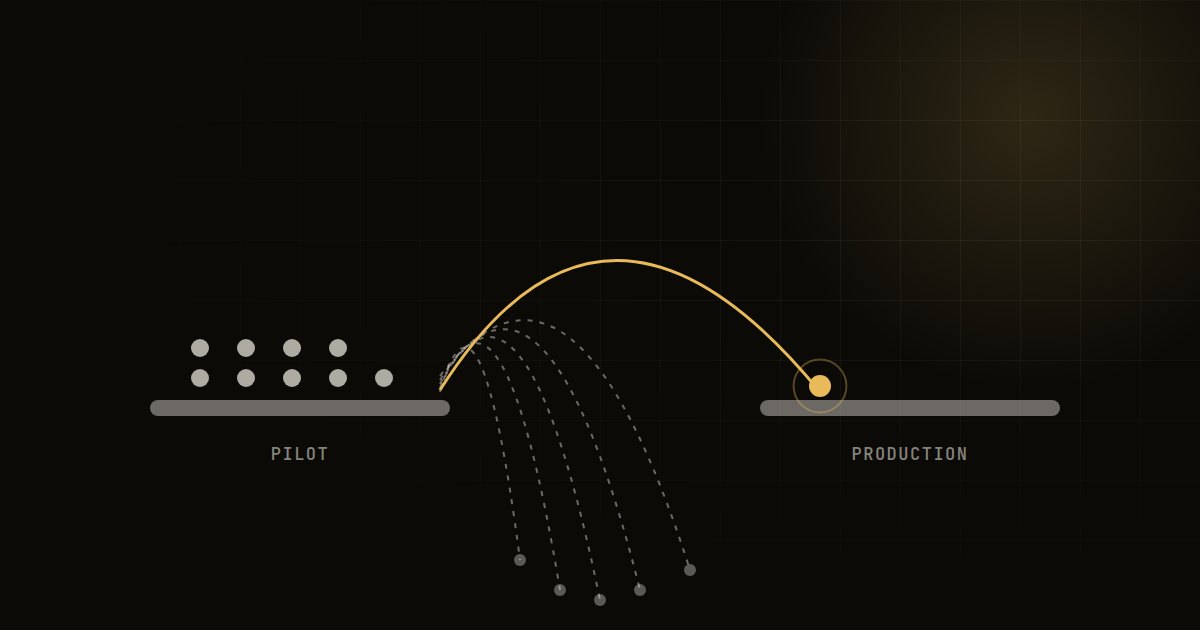
Most AI pilots stall before production for predictable reasons. Here is how to spot them early and design pilots that are built to ship.
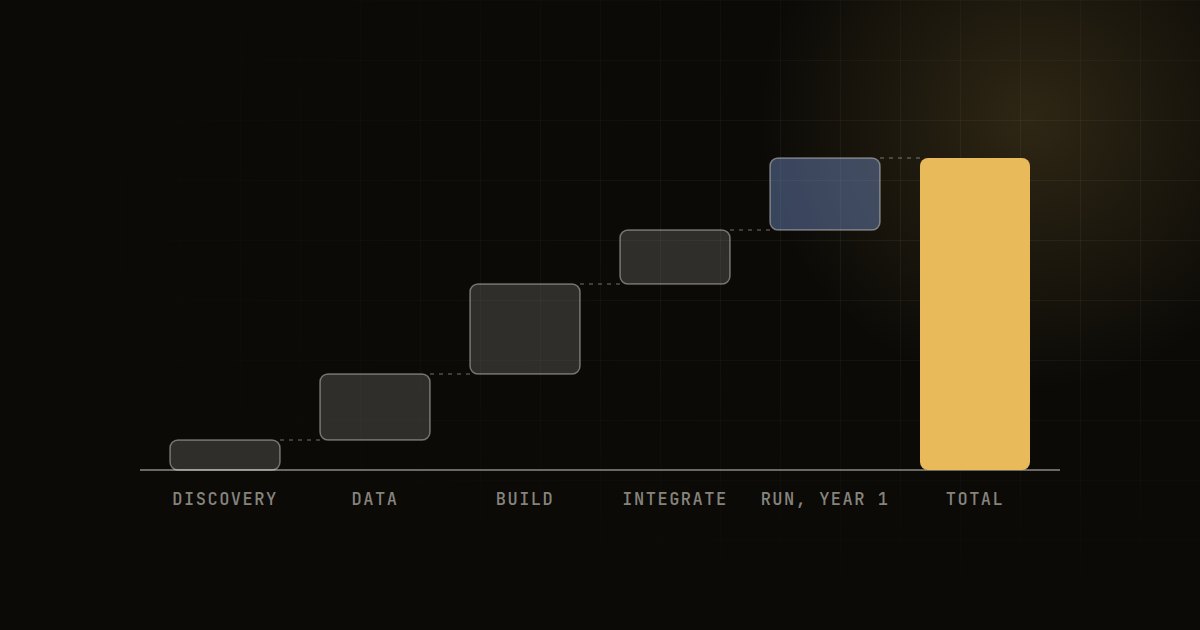
A practical guide to AI implementation cost: the real cost drivers, indicative ranges by project type, the running costs people forget and how to budget sensibly.
FAQ
Other services
Find where AI moves your numbers and sequence a roadmap people believe in.
Lakehouses, clean pipelines and governed metrics that every model depends on.
Forecasting, pricing, churn and demand models, plus dashboards people open.
CI/CD for models, observability and cost controls that keep AI reliable.
Process redesign, change and responsible AI aligned with the DPDP Act and EU AI Act.
Cloud, DevOps, QA and release management, run 24x7 against clear SLAs.
Tell us where you are. We will come back within one business day with a point of view, not a sales deck.