

Process redesign
We map how work is done today and redesign the steps around AI, so it removes effort instead of adding a step.
We help your teams use AI well in their daily work. That means redesigning the processes around it, training staff and leaders for their own roles, writing a usage policy people can follow and tracking adoption and value so you know it is working.
The problem
Licences are rolled out to everyone. A few enthusiasts use them, most people try once and go back to the old way.
A one-hour session on prompting does not help a claims handler or a finance analyst use AI in their actual job.
Staff do not know what data they can paste into which tool, so some avoid AI entirely and others take risks.
Leadership asks what the AI spend has delivered, and the only answer is a count of logins.
What we deliver
Adoption work alongside the technology, planned with your managers, HR and the teams who will use it.
We map how work is done today and redesign the steps around AI, so it removes effort instead of adding a step.
A plan for each affected team: what changes, why, who supports them and how concerns are heard.
Hands-on sessions built on real tasks for each role, from front-line staff to analysts and engineers.
Short, practical sessions for leaders on what AI can and cannot do, how to judge proposals and how to manage the risk.
A clear policy on approved tools, data handling, review of AI output and accountability, written for staff to follow.
A network of champions in each team, plus tracking of adoption and the business metric each use case should move.
How we deliver
Adoption is planned before launch and measured long after it.
Always included
Typical tools
We learn how each team works today and what worries them about AI.
We redesign the work and get people ready before launch.
Role-based training timed with the rollout.
We measure use and value, and act on what we find.
Where we apply it
Further reading

Most AI pilots stall before production for predictable reasons. Here is how to spot them early and design pilots that are built to ship.
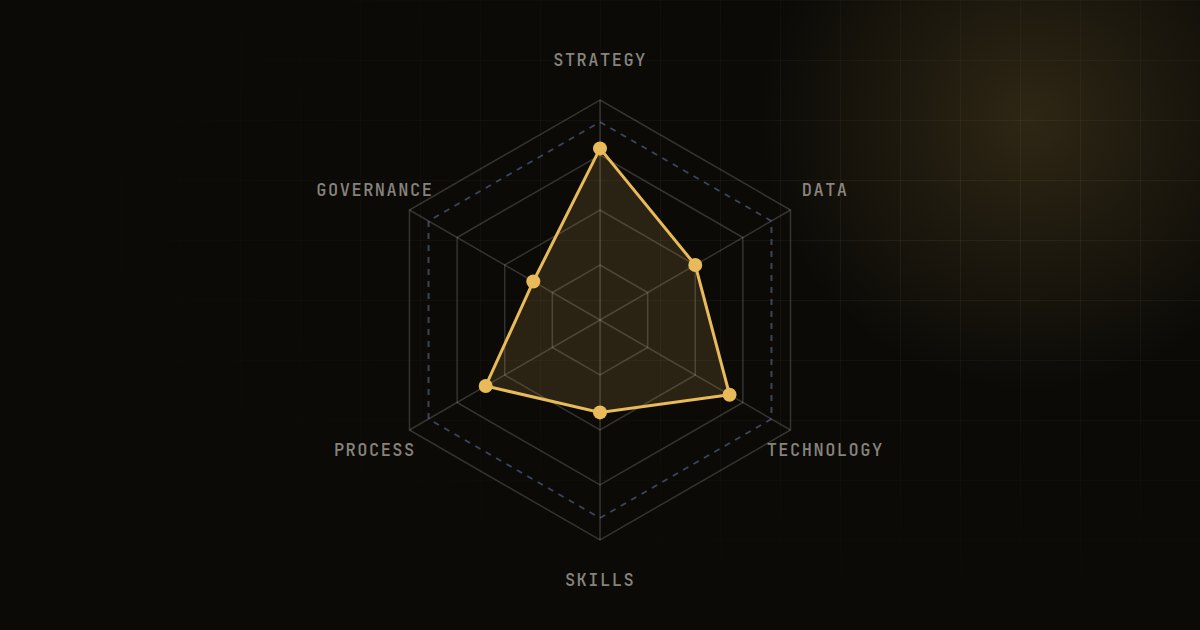
A scored AI readiness assessment checklist covering strategy, data, technology, people and governance, with a simple rubric and guidance on what to fix first.
FAQ
AI implementation services
Use cases ranked, data and systems reviewed, and a costed roadmap in about two weeks.
One use case taken from proof of concept to a live system people use, in about eight weeks.
AI connected to your ERP, CRM, core systems and product, with permissions and audit built in.
AI in production kept accurate, safe and affordable, fully managed or co-managed.
AI strategy, GenAI and agents, data platforms, analytics, MLOps and transformation.
Tell us where you are. We will come back within one business day with a point of view, not a sales deck.