

Quality and drift monitoring
Dashboards and alerts for answer quality, retrieval accuracy, data drift and user feedback.
We run AI systems in production for you or alongside your team. We monitor quality, drift and cost, keep evaluations running on live traffic, respond to incidents and handle model, prompt and security updates, with a review every month.
The problem
Answers get worse as data, users and models change. Nobody notices until a customer or a regulator does.
A provider retires a model or changes its behaviour, and prompts that worked last month start failing.
Usage grows, prompts get longer and the monthly model bill rises with no one tracking why.
When the assistant gives a harmful answer or an agent misbehaves at night, there is no runbook and no owner.
What we run
The same discipline we apply to cloud and platform operations, adapted for models, prompts and data.
Dashboards and alerts for answer quality, retrieval accuracy, data drift and user feedback.
Evaluation sets run on samples of live traffic and before every change, so regressions are caught early.
Spend tracked per use case, with caching, model routing and prompt changes to keep it within budget.
On-call cover, runbooks and root cause reviews for AI incidents, from outages to harmful outputs.
Planned upgrades to models and prompts, tested against evaluations, plus security patches and dependency updates.
A monthly review of quality, cost, incidents and the business metric, with a plan for the month ahead.
How we deliver
The same onboarding we use for every managed service: assess, transition, stabilise, optimise.
Always included
Typical tools
We review the AI systems, how they are monitored and what can go wrong.
We take over operations in stages, with your team alongside.
We fix the issues that cause the most incidents and cost.
Steady improvement, reviewed every month.
Where we apply it
Further reading
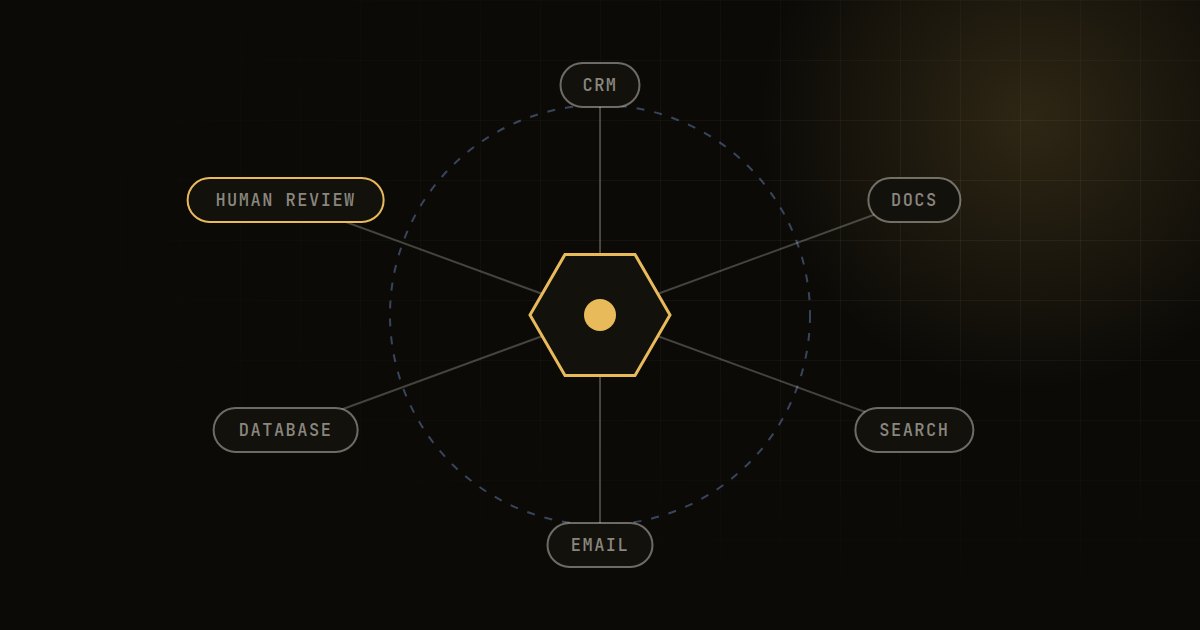
A practitioner's guide to taking enterprise AI agents from demo to production: scope, architecture, guardrails, evaluation, security and rollout.
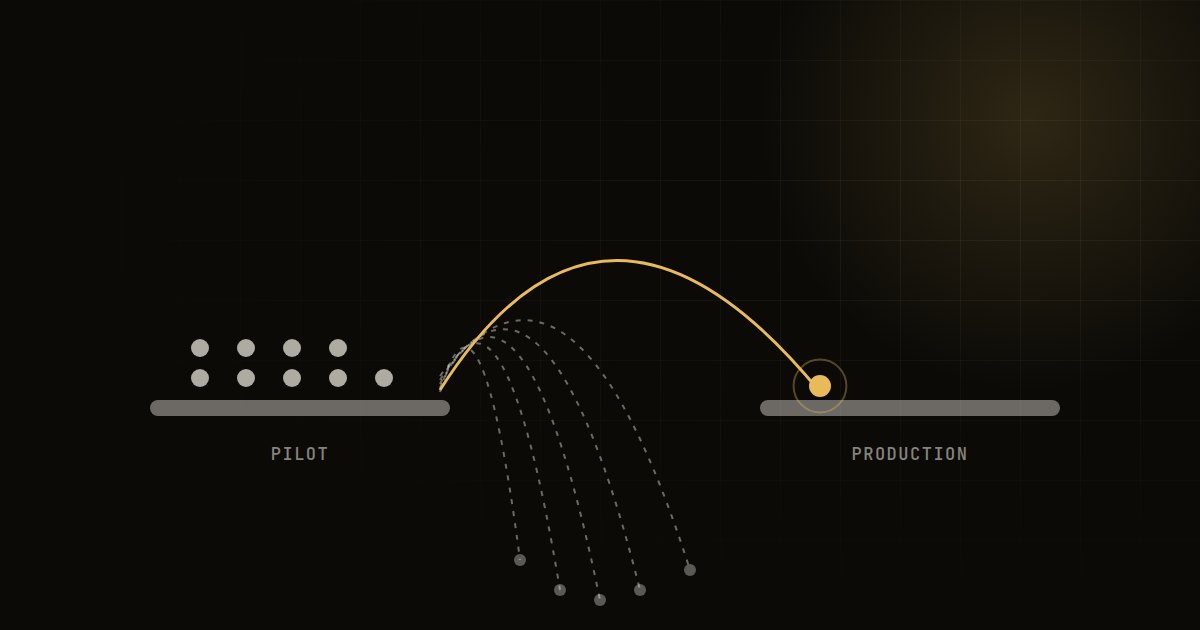
Most AI pilots stall before production for predictable reasons. Here is how to spot them early and design pilots that are built to ship.
FAQ
AI implementation services
Use cases ranked, data and systems reviewed, and a costed roadmap in about two weeks.
One use case taken from proof of concept to a live system people use, in about eight weeks.
AI connected to your ERP, CRM, core systems and product, with permissions and audit built in.
Process redesign, role-based training and an AI usage policy, so people actually use what you build.
AI strategy, GenAI and agents, data platforms, analytics, MLOps and transformation.
Tell us where you are. We will come back within one business day with a point of view, not a sales deck.